If you have been wondering why are my nails peeling, the answer is often simpler than it looks: repeated water exposure, harsh nail products, rough filing, picking, biting, or frequent manicures can weaken the thin layers of keratin that make up the nail.
Peeling nails usually start at the free edge, where the nail grows past the fingertip. The surface may look flaky, layered, thin, rough, or easy to split. In many cases, the issue is not dangerous, but it can be annoying because the nail catches on fabric, breaks easily, and becomes harder to keep smooth.
The good news is that small habit changes can make a real difference. Protecting your nails from water and chemicals, moisturizing daily, trimming them correctly, and taking breaks from damaging products often helps the nail grow out stronger over time.
Still, peeling nails should not always be ignored. If the change is sudden, painful, linked to swelling, discoloration, thickening, bleeding, or affects many nails at once, it may be worth checking with a healthcare professional or dermatologist.
This guide explains the most common causes of peeling nails, simple fixes you can start safely at home, mistakes to avoid, and signs that mean you should get professional advice.
Important note: this article is for general information only and does not replace medical evaluation. If your nails are painful, infected, changing color, lifting from the skin, or not improving with gentle care, consult a healthcare professional or dermatologist.
Why Nails Peel: The Most Common Reasons
Nails are made of layers of keratin, a protective protein also found in hair and skin. When those layers lose flexibility, become too dry, or are repeatedly damaged, they can separate at the tip and create the peeling effect.
In daily life, peeling often comes from a combination of small habits rather than one single cause. Washing dishes without gloves, using strong cleaners, removing gel polish roughly, filing back and forth, or using nails as tools can all add up over time.
A common mistake is treating peeling nails only with polish or hardener while continuing the same habits that caused the damage. A nail product may help protect the surface, but it cannot fully compensate for repeated trauma, water exposure, or aggressive manicure removal.
| Possible cause | What it may look like | What to check first |
|---|---|---|
| Too much water exposure | Nails feel soft, weak, and split easily at the edge | Dishwashing, cleaning, frequent handwashing, swimming |
| Dryness | Nails look brittle, rough, flaky, or dull | Cold weather, hand sanitizer, acetone, lack of moisturizer |
| Manicure damage | Thin, peeling layers after gel, acrylic, dip, or polish removal | Picking polish, drilling, scraping, over-buffing |
| Physical trauma | One or two nails peel more than the others | Nail biting, typing impact, opening objects with nails |
| Possible health-related cause | Peeling comes with color change, pain, thickening, or many nails affected | Ask a healthcare professional if it persists or worsens |
Water, Cleaning Products, and Moisture Imbalance
Water can weaken nails when exposure is frequent or prolonged. Nails absorb water and then dry again, and this repeated cycle can make the keratin layers expand and contract. Over time, that stress may lead to splitting and peeling.
This is why peeling nails are common in people who wash dishes often, clean without gloves, wash their hands many times a day, or use strong soaps and sanitizers. The issue is not cleanliness itself, but the lack of protection and moisture afterward.
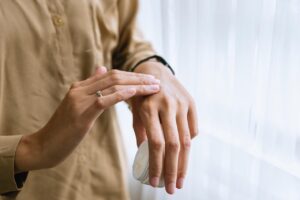
The simple fix is to reduce unnecessary wet-dry cycles. Wear cotton-lined rubber gloves when washing dishes or cleaning. After washing your hands, dry them well and apply hand cream or cuticle oil around the nails.
- Wear gloves before using cleaning products or washing dishes.
- Dry your hands and nails completely after washing.
- Apply moisturizer to the nails and cuticles, not only the skin.
- Avoid soaking nails for long periods unless recommended by a professional.
- Use gentle soap when possible, especially if your hands already feel dry.
Manicures, Gel Polish, Acrylics, and Rough Removal
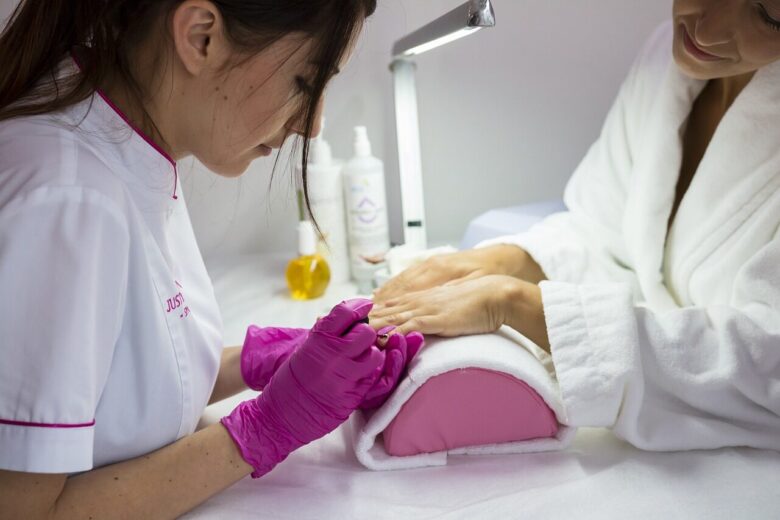
Many people notice peeling nails after gel polish, acrylics, dip powder, or frequent manicures. The product itself is not always the only problem. Damage often happens during removal, especially when polish is picked, peeled, scraped, drilled, or forced off before it is ready.
When you peel off gel or acrylic, you may also remove tiny layers of the natural nail. This leaves the nail thinner and more likely to split. Over-buffing can create a similar problem because it reduces the nail plate instead of protecting it.
If your nails started peeling after a manicure, consider taking a break from enhancements until the damaged part grows out. Keep nails short, file gently, moisturize daily, and avoid covering the problem with another harsh service too quickly.
| Manicure habit | Why it can cause peeling | Safer alternative |
|---|---|---|
| Picking off gel polish | Can lift layers of the natural nail | Use proper soaking and gentle removal |
| Heavy buffing | Thins the nail plate | Buff lightly and only when necessary |
| Frequent acetone exposure | Can make nails feel dry and brittle | Limit remover use and moisturize after removal |
| Cuticle removal | May disturb the protective seal around the nail | Keep cuticles moisturized and avoid cutting deeply |
| Using nails as tools | Creates small splits and lifting | Use proper tools to open, scrape, or lift objects |
Simple Step-by-Step Routine to Help Peeling Nails
The best routine for peeling nails is gentle and consistent. The goal is not to force the nail to become hard overnight, but to protect the damaged edge while new nail grows in healthier.
-
Trim peeling edges carefully.
Keep nails short enough that the peeling edge does not catch on fabric or surfaces. Use clean nail clippers and avoid cutting too low into the skin.
-
File in one direction.
Use a fine nail file and smooth the edge gently. Avoid sawing back and forth because this can create tiny splits that travel deeper into the nail.
-
Moisturize nails and cuticles.
Apply hand cream, petroleum jelly, or cuticle oil around the nail after washing your hands and before bed. Moisture helps reduce brittleness and improves flexibility.
-
Protect your hands from water and chemicals.
Use gloves for dishes, cleaning, and harsh products. This reduces repeated swelling and drying of the nail layers.
-
Pause damaging nail services.
If your nails are thin or peeling after gel, acrylic, or dip powder, allow them time to grow out before applying another enhancement.
-
Watch for warning signs.
If peeling continues despite gentle care, or if you notice pain, swelling, dark streaks, yellowing, thickening, or nail lifting, contact a healthcare professional.
Nutrition, Hydration, and Health Factors
Peeling nails are often caused by external habits, but nutrition and general health can also play a role. Nails need enough protein, iron, zinc, vitamins, and overall nutrition to grow normally. If the body is missing important nutrients, nails may become weaker or more brittle.
That does not mean every peeling nail is a vitamin deficiency. In many cases, the cause is still water, chemicals, or manicure damage. However, if several nails peel at the same time, the problem keeps returning, or you also feel unusually tired or unwell, it is safer to ask a professional instead of guessing.
A balanced diet with protein-rich foods, fruits, vegetables, whole grains, and healthy fats supports nail growth. Supplements should be used carefully, especially for teenagers, pregnant people, people with medical conditions, or anyone taking medication. It is better to confirm a deficiency than to take random high-dose supplements.
- Eat enough protein from foods such as eggs, beans, fish, poultry, dairy, tofu, or lentils.
- Include iron-rich foods such as beans, leafy greens, meat, fortified cereals, or lentils.
- Drink water regularly, especially if your skin and lips also feel dry.
- Avoid starting high-dose supplements without professional guidance.
- Ask for medical advice if nail changes come with fatigue, weakness, hair loss, or unexplained symptoms.
Common Mistakes That Make Peeling Nails Worse
One of the biggest mistakes is trying to cover peeling nails without changing the habit that caused the problem. Nail polish, hardeners, or salon treatments may make nails look better for a while, but the peeling can return if the nail is still being dried, scraped, soaked, or hit repeatedly.
Another mistake is filing aggressively to make the surface look smooth. Over-filing can remove more nail layers and leave the plate even thinner. It is better to file only the edge gently and let the damaged part grow out.
Picking at loose layers is also harmful. It may feel satisfying in the moment, but it can pull the split deeper and create a larger weak area. If a piece is lifting, trim it carefully instead of tearing it.
| Mistake | Possible consequence | Better choice |
|---|---|---|
| Peeling off polish or gel | Thinner, weaker nail layers | Remove products gently and patiently |
| Using a coarse file | More splitting at the edge | Use a fine file in one direction |
| Skipping moisturizer | Dry, brittle nails that break easily | Apply cream or oil after washing hands |
| Cleaning without gloves | Water and chemical damage | Use protective gloves for chores |
| Ignoring pain or color change | Possible infection or untreated condition | Seek medical advice when warning signs appear |
When Peeling Nails May Need Professional Help
Peeling nails are often manageable at home, but some signs deserve professional attention. A dermatologist can evaluate nail texture, color, shape, thickness, and surrounding skin to check whether the issue is simple damage or something that needs treatment.
Seek advice if your nail is painful, swollen, bleeding, lifting from the skin, turning green, black, yellow, or unusually white, or becoming much thicker or thinner. A dark streak under the nail, especially if it is new or changing, should be examined promptly.
You should also get help if the peeling affects many nails at once, does not improve after several weeks of gentle care, or appears with other symptoms such as fatigue, skin rashes, hair loss, or frequent infections. People with diabetes or poor circulation should be more cautious with any nail problem.
How Long It Takes for Peeling Nails to Improve
Nail repair takes patience because the damaged part usually has to grow out. Fingernails grow slowly, so even with excellent care, the visible improvement may be gradual. The goal is to prevent new damage while the older weakened edge is trimmed away little by little.
Some people notice less breaking after a few weeks of protection and moisturizing, but a full healthy-looking nail can take months to grow from base to tip. During that time, keeping nails short can make them less likely to bend, snag, or split further.
In practice, consistency matters more than expensive products. Gloves, moisturizer, gentle filing, and safe removal habits are usually more useful than constantly switching between nail treatments.
Conclusion
Why are my nails peeling is a common question, and the answer is usually linked to everyday stress on the nail: water exposure, dryness, cleaning products, rough filing, picking, biting, or manicure damage. In many cases, gentle care and protection are enough to help the nail grow out stronger.
The most practical fix is to keep nails short, file softly, moisturize the nails and cuticles, wear gloves during wet or chemical tasks, and avoid peeling off polish or enhancements. These steps protect the nail layers while new growth replaces the damaged part.
If peeling comes with pain, swelling, unusual color, nail lifting, thickening, bleeding, or does not improve with simple care, do not guess the cause. A healthcare professional or dermatologist can check whether there is an infection, skin condition, deficiency, or another issue that needs proper treatment.
FAQ
1. Why are my nails peeling at the tips?
Nails often peel at the tips because this is the oldest and most exposed part of the nail. The edge bends, hits surfaces, absorbs water, dries out, and catches on objects more than the newer nail near the cuticle. If you file roughly, pick polish, wash dishes without gloves, or use your nails to open things, the layers at the tip can separate. Keeping nails shorter, filing gently in one direction, and moisturizing after handwashing can reduce this type of peeling.
2. Can too much handwashing make nails peel?
Yes, frequent handwashing can contribute to peeling nails, especially if you do not moisturize afterward. Water repeatedly enters and leaves the nail, which may weaken the keratin layers over time. Soap and sanitizer can also dry the nail surface and surrounding skin. You should still wash your hands when needed, but dry them well and apply hand cream or cuticle oil. If your hands are often wet for chores, use gloves to reduce long water exposure.
3. Are peeling nails a sign of vitamin deficiency?
Sometimes, but not always. Peeling nails are more commonly related to external damage, such as water exposure, harsh products, rough manicures, or picking. However, nutritional issues such as low iron, poor protein intake, or other deficiencies may contribute to weak or brittle nails in some people. If several nails are peeling, the problem keeps returning, or you have other symptoms such as fatigue, hair loss, or weakness, it is better to speak with a healthcare professional before taking supplements.
4. Should I use a nail hardener for peeling nails?
A nail hardener may help some weak nails by adding a protective layer, but it is not a complete solution. If the nail is peeling because of water, acetone, picking, or aggressive filing, those habits still need to change. Some hardeners may also feel too rigid and make brittle nails snap instead of bend. Choose gentle products, follow the label, and stop using anything that causes irritation, extra dryness, or worsening peeling.
5. Is gel polish bad for peeling nails?
Gel polish is not always the only problem, but the application and removal process can damage already weak nails. Picking off gel, scraping too hard, drilling aggressively, or soaking too often in remover can thin the natural nail and make peeling worse. If your nails are currently peeling, it may be smart to pause gel manicures until the damaged part grows out. During that break, keep nails short, moisturized, and protected from water and cleaning chemicals.
6. Why do my nails peel after removing acrylics?
Nails may peel after acrylic removal because the natural nail can become thinner from filing, product adhesion, scraping, or improper removal. If the acrylic was pulled or forced off, small layers of the natural nail may have come away with it. The best approach is gentle care while the nail grows out. Avoid applying another heavy enhancement immediately, moisturize daily, file only the edge, and seek a qualified nail professional or dermatologist if the nail is painful or lifting.
7. Can acetone cause peeling nails?
Acetone can dry the nail and surrounding skin, especially with frequent or prolonged use. It may be necessary for some polish or gel removal, but repeated exposure without aftercare can leave nails feeling brittle and more likely to peel. If you use acetone, avoid unnecessary soaking, do not scrape forcefully, and apply moisturizer or cuticle oil afterward. For regular polish, a non-acetone remover may be gentler, although it may take longer to work.
8. Should I cut off peeling parts of the nail?
You should not tear or pick peeling layers, but carefully trimming loose edges can help prevent further splitting. Use clean nail clippers and a fine file to smooth the edge. Keep the nail short enough that it does not snag on clothes or hair. Avoid cutting into the skin or removing too much nail. If the peeling goes deep, hurts, bleeds, or the nail lifts from the nail bed, it is safer to get professional advice.
9. How can I moisturize my nails properly?
Apply hand cream, petroleum jelly, or cuticle oil directly around the nails and cuticles, not just on the back of your hands. The best times are after washing your hands, after using sanitizer, after showering, and before bed. Massage the product into the nail folds and the visible nail surface. At night, a thicker moisturizer can help because it has more time to sit on the skin and nails without being washed away immediately.
10. Can nail biting make nails peel?
Yes, nail biting can weaken the nail edge and cause small splits that turn into peeling. It can also irritate the skin around the nail and increase the chance of infection if the skin breaks. If biting is a habit, keep nails short and smooth so there is less rough edge to bite. Some people also use bitter-tasting nail products or replace the habit with another stress-management technique. If biting feels hard to control, a healthcare professional can help.
11. When should I worry about peeling nails?
You should be more cautious if peeling comes with pain, swelling, pus, bleeding, a dark streak, yellow or green color, thickening, nail lifting, or changes in many nails at once. Also seek advice if your nails do not improve after gentle care or if you have diabetes, poor circulation, or another condition that affects healing. These signs do not always mean something serious, but they are worth checking instead of covering with polish.
12. How long does it take for peeling nails to recover?
Recovery depends on how damaged the nail is and whether the cause has stopped. Since nails grow slowly, the damaged area usually has to grow out before the nail looks fully healthy again. You may notice fewer snags and breaks within a few weeks if you protect and moisturize consistently, but full improvement can take several months. During that time, avoid aggressive manicures, keep nails short, wear gloves for chores, and file gently.
Editorial note: this article is for informational purposes and does not replace evaluation by a healthcare professional. Nail changes can have many causes, so persistent, painful, infected, or unusual nail symptoms should be checked by a qualified professional.
Official References
- American Academy of Dermatology — 11 dermatologists’ tips for healthy nails
- Mayo Clinic — Fingernails: Do’s and don’ts for healthy nails
- MedlinePlus Medical Encyclopedia — Nail abnormalities

Nora Ashford is a licensed nail technician and beauty educator with over 12 years of hands-on experience in professional nail care, product formulation, and salon hygiene. She began her career working in high-end nail studios across London and New York before transitioning into content creation to help people make informed, safe choices about their nail health and beauty routines.
Her work focuses on translating complex nail science into practical, easy-to-follow advice. She regularly reviews nail products, tests application techniques, and shares evidence-based tips on everything from cuticle care to gel safety.
Nora believes that beautiful nails should never come at the cost of nail health, and she is committed to helping readers achieve salon-quality results responsibly.