A neat cuticle line can make natural nails look polished even when you are not wearing color. The problem is that many people try to achieve that look by cutting, scraping, and pushing until every trace of skin disappears.
That approach often creates the opposite result: tender skin, tiny tears, stubborn hangnails, and redness that draws more attention to the nail area.
The main idea of this guide: healthy-looking cuticles are maintained, not erased.
A simple routine based on clean tools, regular moisturizing, protection from excessive water and gentle handling usually does more for the appearance of the nail area than an aggressive weekly manicure.
The cuticle helps seal the space between the skin and the nail plate. Removing or repeatedly damaging that protective area can make it easier for irritation and infection to develop.
This article focuses on everyday cosmetic care. It does not provide a diagnosis or treatment for infections, unexplained nail changes, persistent swelling, or painful skin conditions.
What Healthy-Looking Cuticles Actually Look Like
Healthy-looking cuticles do not have to be invisible. The skin around the nail may have natural texture, a slightly uneven outline, or small differences from one finger to another.
A realistic goal is skin that feels comfortable and looks calm—not a perfectly bare nail plate.
A useful reality check: If your cuticles look good immediately after a manicure but become sore, ragged, or inflamed the next day, the routine was probably too aggressive.
Why Cuticles Become Dry, Ragged, or Uneven
Dry cuticles are rarely caused by one single problem. They are usually the result of repeated everyday exposure.
| What you notice | Common contributing habits | A gentler first response |
|---|---|---|
| Tight or flaky skin | Frequent handwashing, cold weather, sanitizer, low humidity | Apply moisturizer after washing and before bed |
| Frequent hangnails | Picking, biting, friction, repeated dryness | Stop pulling loose skin and trim only detached edges |
| Red cuticle line | Over-pushing, deep trimming, irritating products | Pause manicuring and allow the skin to recover |
| Rough skin after cleaning | Detergents, prolonged water exposure, cleaning chemicals | Wear gloves and moisturize after removing them |
| Peeling around several nails | Nail biting, product sensitivity, dryness, harsh removal | Reduce product exposure and avoid cutting attached skin |
| Swelling or throbbing | Injury, irritation, or possible infection | Stop cosmetic care and seek medical advice if symptoms persist or worsen |
Repeated exposure to water is easy to overlook. Dishwashing, cleaning, bathing children, frequent handwashing, and work that keeps the hands damp can all leave the nail folds more vulnerable to dryness and irritation.
That does not mean avoiding water. It means drying the hands well, using gloves for prolonged wet work, and restoring moisture afterward.
A Daily Cuticle Routine That Takes Very Little Time
Daily care should be almost boring. You are not reshaping or cutting anything—you are simply preventing the skin from becoming so dry that it starts to split.
- Wash normally. Use the products you need, but avoid scrubbing the nail folds aggressively.
- Dry around each nail. Pay attention to the sides and base of the nail instead of leaving moisture trapped there.
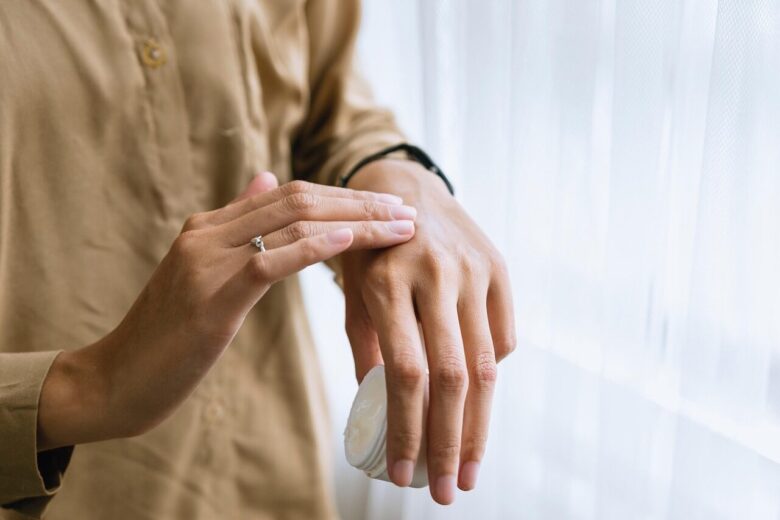
- Apply a small amount of moisturizer. Massage it into the skin around each nail.
- Leave rough spots alone. Do not turn every dry edge into a cutting session.
- Protect your hands during wet work. Gloves can reduce repeated exposure to water and cleaning products.
For many people, the easiest time to remember cuticle care is after washing the face at night or after applying hand cream before bed.
Do you need both hand cream and cuticle oil?
No. Cuticle oil is convenient and can make dry skin look smoother, but a hand cream or fragrance-free moisturizer can also be useful.
The best product is usually the one you will apply consistently. A small bottle of oil that sits untouched in a drawer is less useful than an ordinary moisturizer you already use every evening.
A Gentle Weekly Maintenance Routine
A weekly routine is enough for most people who want to tidy the nail outline without repeatedly disturbing the skin.
Start by checking the skin
Do not continue if the area is painful, swollen, bleeding, unusually warm, or draining fluid. Cosmetic grooming should wait until the cause has been properly addressed.
Wash your hands and clean the tools
Remove visible dirt and product residue from clippers, scissors, and pushers. Dry reusable tools before use.
Soften the area briefly
You may work after a shower, use a short warm-water soak, or apply a cuticle-softening product according to its instructions. The skin should feel flexible, not waterlogged.
Push only what moves easily
Use a wooden stick or rounded pusher with light pressure. Stop when you feel resistance. The goal is to tidy loose buildup on the nail plate, not force the living skin backward.
Trim only clearly detached skin
If a hangnail is sticking out, clip the loose end carefully. Do not follow the skin downward or continue cutting until the entire area looks perfectly smooth.
Finish with moisture
Apply cream, oil, or ointment around the nails. If you plan to apply polish immediately, remove excess oil from the nail plate while leaving the surrounding skin comfortable.
How to Push Back Cuticles Without Scraping the Nail
The phrase “push back the cuticles” often sounds more forceful than the process should be.
Hold the pusher at a low angle and use short, gentle movements. A wooden stick is often easier for beginners to control than a sharp metal tool.
You should not hear scraping, see grooves forming, or feel pain at the base of the nail. If the skin does not move easily, leave it alone and moisturize for a few days before trying again.
Helpful habits
- Soften the area first
- Use light pressure
- Work slowly on one nail at a time
- Stop when the skin resists
- Moisturize after finishing
Habits to avoid
- Digging under the nail fold
- Using a pointed tool near live skin
- Scraping until the nail looks white
- Pushing cracked or inflamed skin
- Repeating the process every day
How to Deal With a Hangnail
A hangnail is a small torn piece of skin beside the nail. It may look harmless, but pulling it can tear attached tissue and leave a deeper, painful opening.
The safest approach is simple:
- Wash and dry your hands.
- Use clean, sharp clippers or small nail scissors.
- Trim only the piece that is already loose.
- Do not pull, twist, or bite the remaining skin.
- Apply moisturizer and protect the area from further friction.
If the hangnail area is red, swollen, warm, increasingly painful, or producing pus, stop trimming it. Those signs may indicate inflammation or infection around the nail.
Do not try to drain a swollen nail fold with a needle, clipper, or cuticle tool. A painful, red, swollen area around the nail—especially when pus is present—should be assessed by a qualified healthcare professional.
Choosing a Moisturizer for the Nail Area
Cuticle-care products do not need to be expensive or complicated. Texture and comfort matter more than luxury packaging.
| Product type | When it may be useful | What to consider |
|---|---|---|
| Light hand lotion | Daytime use and frequent application | Absorbs quickly but may not feel rich enough for very dry skin |
| Thicker hand cream | Dry hands, cold weather, or bedtime use | Usually stays on the skin longer than a light lotion |
| Cuticle oil | Targeted application around individual nails | Convenient, but can feel greasy if too much is used |
| Plain ointment | Very dry or cracked-looking skin that tolerates occlusive products | Best suited to nighttime because it can transfer onto objects |
| Cuticle remover | Softening buildup before gentle maintenance | Follow the label carefully and avoid leaving it on longer than directed |
If a product stings, burns, causes itching, or makes the skin redder, wash it off and stop using it. Fragrance, preservatives, adhesives, and nail-system ingredients can affect people differently.
Common Mistakes That Make Cuticles Look Worse
Cutting because the skin looks uneven
Natural cuticle lines are not perfectly symmetrical. Cutting every raised edge can create more roughness as the skin heals.
Trying to finish everything in one session
Very dry skin usually looks better after several days of moisturizing than after one aggressive manicure.
Using dull clippers
A dull tool can pull or crush a hangnail instead of cutting it cleanly. Replace tools that are rusty, misaligned, chipped, or difficult to control.
Ignoring product contact with the skin
Polish, gel, primer, remover, and adhesive should be used according to their instructions. Repeated contact with the surrounding skin can cause irritation in some people.
Peeling off gel or enhancement products
Peeling product from the nail can pull away surface layers and leave the entire nail area rougher and more sensitive.
Using nails as tools
Opening lids, scraping labels, and prying objects can create stress at the free edge and surrounding skin. Use an actual tool instead.
For help choosing safer basic equipment, see our guide to At-Home Manicure Tools.
Protecting Cuticles During Cleaning and Handwashing
People who wash their hands frequently or work around water may need protection more than additional manicure products.
- Dry carefully around the nail folds after washing.
- Apply moisturizer when the skin starts to feel tight.
- Wear protective gloves for dishes and household cleaning.
- Remove gloves if moisture builds up inside them.
- Avoid picking at softened skin immediately after a long shower.
- Keep a small tube of hand cream near the sink or beside the bed.
Consistency matters more than applying a large amount once a week. A thin layer used regularly is often easier to maintain.
What to Ask for at a Nail Salon
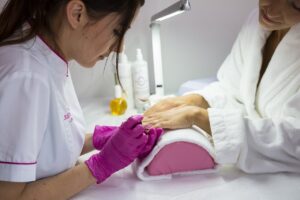
A professional-looking manicure should not require cutting deeply into the nail fold.
Before the service begins, you can clearly say:
- “Please do not cut my cuticles.”
- “You can push them back gently, but stop if the skin resists.”
- “Please trim only loose hangnails.”
- “Let me know how these tools were cleaned.”
- “Please stop if there is pain or bleeding.”
Reusable tools should be properly cleaned and sterilized according to the salon’s local requirements. Single-use files and buffers should not be reused between clients when they cannot be adequately disinfected.
A useful salon standard: pressure may feel noticeable, but a manicure should not leave fresh cuts, bleeding, sharp pain, or a burning cuticle line.
Gel, Acrylic, and Dip Manicures
These systems do not automatically damage the cuticles, but the preparation and removal steps can become aggressive.
Problems commonly begin when the skin is cut too deeply, product repeatedly touches the nail folds, or hardened material is peeled and scraped away.
- Keep uncured product off the skin as much as possible.
- Follow the manufacturer’s curing and removal directions.
- Do not continue using a product that causes itching, burning, or swelling.
- Do not peel enhancements away from the natural nail.
- Give irritated skin time to recover before another manicure.
When It Is More Than Ordinary Dryness
Dryness usually causes roughness, flaking, or tightness without severe pain. Infection or significant inflammation may look and feel different.
Seek professional medical advice when you notice:
- Increasing pain around one or more nails
- Redness that spreads beyond the immediate cuticle area
- Swelling, warmth, or throbbing
- Pus or fluid beneath the nail fold
- A nail beginning to lift or change shape
- Persistent green, dark, yellow, or unusual discoloration
- Repeated episodes that return after seeming to improve
- Symptoms accompanied by fever or feeling unwell
Paronychia is inflammation or infection around the nail fold. It may follow biting, picking a hangnail, trimming the cuticle, pushing too aggressively, or another small injury that breaks the protective skin barrier.
People with diabetes, poor circulation, immune-system problems, or repeated nail infections should seek professional advice sooner rather than repeatedly trying cosmetic treatments at home.
A Simple Seven-Day Reset for Ragged Cuticles
If your cuticles are dry but not infected, try a quiet week with less manipulation.
- Do not cut attached cuticle skin.
- Do not push the nail folds during the reset.
- Moisturize after handwashing when practical.
- Apply a richer cream or ointment before bed.
- Wear gloves for dishes and cleaning.
- Trim only hangnails that are clearly loose.
- Avoid peeling polish, gel, or acrylic product.
At the end of the week, look for less tightness, fewer raised edges, and calmer skin. The change may be subtle, but that is often a better sign than the instantly bare look created by deep trimming.
Frequently Asked Questions
Should I remove my cuticles before applying nail polish?
No. You can gently tidy loose buildup from the nail plate, but the protective skin should not be deeply cut away. Clean the nail plate before polish while keeping the surrounding skin intact.
How often can I push my cuticles back?
There is no need to do it daily. For many people, occasional gentle maintenance is enough. If the area is dry or resistant, moisturize it rather than repeatedly pushing harder.
Is cuticle oil better than hand cream?
Neither is automatically better. Oil is convenient for targeted application, while cream can treat the hands and nail folds together. Choose a product that feels comfortable and that you will use consistently.
Why do my cuticles look worse after I cut them?
Cutting attached skin can leave uneven edges and small injuries. As the area heals and dries, new rough spots may appear, which can lead to another round of cutting. Gentle moisturizing helps break that cycle.
Can I manicure a swollen or painful cuticle?
No. Stop cutting, pushing, filing, or applying harsh products to the area. Painful swelling, spreading redness, warmth, or pus may require evaluation by a healthcare professional.
Final Takeaway
Clean-looking cuticles come from protecting the skin barrier, not removing every visible edge.
A reliable routine is simple: keep the nail area clean and dry, moisturize regularly, wear gloves during prolonged wet work, trim only clearly loose hangnails, and use very light pressure when occasional pushing is needed.
When the skin hurts, bleeds, swells, burns, or produces pus, stop treating it as a cosmetic problem. Let a qualified healthcare professional determine what is causing the change.
Editorial note: This guide provides general educational information about cosmetic nail care. It does not replace medical diagnosis or treatment. DolfiNails does not currently use affiliate links in this article.
Sources and Further Reading
- American Academy of Dermatology — 11 Dermatologists’ Tips for Healthy Nails
- MedlinePlus — Nail Diseases and Nail-Care Basics
- MedlinePlus Medical Encyclopedia — Paronychia
- Mayo Clinic — Fingernails: Do’s and Don’ts for Healthy Nails
Last editorial review: July 17, 2026

The DolfiNails Editorial Team creates practical and carefully researched content about nail care, manicure techniques, nail art, tools, and beauty products. Each article is reviewed for clarity, usefulness, and reader safety to help readers make better-informed decisions about their nail care routines.