A good nail care routine at home is not about complicated products or salon-level tools. It is about keeping your nails clean, protected, moisturized, and trimmed in a way that supports strength instead of causing damage.
Healthy nails usually look smooth, even in color, and firmly attached to the nail bed. Small changes can happen from daily habits, water exposure, polish remover, minor injuries, or normal growth, but persistent pain, swelling, discoloration, thickening, or lifting should not be ignored.
The best routine is simple enough to repeat every week. When nail care becomes too aggressive, such as cutting cuticles, over-buffing, peeling gel polish, or using nails as tools, the nails often become weaker instead of healthier.
This guide explains how to care for natural nails at home with practical steps, safe habits, checklists, common mistakes, and signs that may require professional attention.
Important note: this article is for general nail care education and does not replace advice from a dermatologist, doctor, or licensed nail professional. If you notice pain, swelling, bleeding, sudden color changes, nail separation, or signs of infection, seek professional care.
Why a Consistent Nail Care Routine Matters
Nails are made of layers of keratin, a protective protein. Although the visible nail plate is not living tissue, the skin around it and the nail matrix under the cuticle area need gentle care. This is why rough handling can affect how nails grow and how strong they appear over time.
In daily life, nails face repeated stress from handwashing, cleaning products, typing, opening packages, polish removal, and small impacts. One rough habit may not seem serious, but repeated damage can lead to peeling, splitting, dryness, or breakage.
A practical routine helps reduce avoidable stress. It also makes it easier to notice changes early, such as a nail that starts lifting, a new dark streak, unusual thickening, or skin around the nail becoming painful.
| Nail concern | Possible everyday cause | What to check first |
|---|---|---|
| Peeling tips | Frequent water exposure or harsh remover | Use gloves, moisturize, and reduce acetone use |
| Snagging edges | Uneven filing or nails kept too long | File gently in one direction and keep a practical length |
| Dry cuticle area | Handwashing, sanitizers, cold weather, or lack of moisture | Apply hand cream and cuticle oil regularly |
| Weak nails after polish | Peeling polish, gel removal, or repeated remover use | Take a short polish break and avoid scraping the nail plate |
| Thick, yellow, or crumbly nail | Possible infection or trauma | Do not self-diagnose; consider professional evaluation |
Best Nail Care Routine for Healthy Nails at Home
The best nail care routine for healthy nails at home should be gentle, repeatable, and realistic. You do not need a large kit. A clean clipper, a fine nail file, hand cream, cuticle oil, gloves for cleaning, and a non-acetone remover when possible are enough for most people.
Choose one day each week for trimming and shaping. Then use a shorter daily routine for cleaning, moisturizing, and protecting your nails. This balance helps prevent overworking the nail plate while still keeping the nails neat.
-
Wash and dry your hands properly.
Start with clean hands and dry the nails carefully, especially around the edges. Moisture trapped around nails can encourage irritation, and repeated wetness may contribute to splitting.
-
Trim nails to a practical length.
Use clean, sharp clippers. Keep nails long enough to protect the fingertip but short enough that they do not bend, catch, or break easily during daily tasks.
-
Shape with a gentle file.
File rough edges with a fine emery board. Avoid aggressive sawing because it can leave the edge weaker and more likely to split.
-
Moisturize the nail and cuticle area.
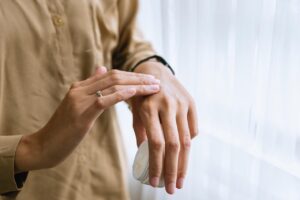
Apply hand cream and massage it into the nails and surrounding skin. Cuticle oil can help soften dry skin and reduce hangnails when used consistently.
-
Protect nails before cleaning or dishwashing.
Wear gloves when using detergents, cleaning products, or long water exposure. This simple step is one of the most effective ways to prevent dry, peeling nails.
-
Use polish carefully, if you wear it.
Apply a base coat, avoid peeling polish off, and limit harsh remover. If nails feel thin or sensitive, take a break before applying another manicure.
- Clean clippers or scissors before trimming.
- File only rough or uneven edges.
- Moisturize nails after washing hands.
- Use gloves for cleaning, laundry, and dishes.
- Avoid biting, picking, or peeling polish.
- Check for pain, swelling, color changes, or lifting.
How to Trim and Shape Nails Without Weakening Them
Trimming is simple, but technique matters. Cutting too deep into the corners can irritate the skin, while leaving nails too long can make them more likely to bend or break. A moderate length usually works best for daily activities.
For fingernails, trim mostly straight across and slightly round the tips. This shape helps reduce sharp corners without creating very thin sides. For toenails, cutting straight across is usually safer because deep rounding can increase the chance of painful edges.
In practice, many people damage their nails not during trimming, but during filing. A rough file, excessive pressure, or filing back and forth aggressively can leave tiny splits along the edge. Use a fine file and smooth only what is necessary.
| Tool or product | Best use | Main caution |
|---|---|---|
| Nail clipper | Shortening nails safely | Do not cut into the skin or sidewalls |
| Fine nail file | Smoothing edges and shaping tips | Avoid heavy pressure and over-filing |
| Cuticle oil | Softening dry skin around nails | Do not use it to forcefully push or remove cuticles |
| Hand cream | Daily moisture for hands, nails, and cuticles | Reapply after washing when skin feels dry |
| Non-acetone remover | Removing regular polish more gently | Still use sparingly if nails are brittle |
Cuticle Care: What to Do and What to Avoid
The cuticle area protects the space where the nail grows. Cutting or removing cuticles may make the manicure look cleaner for a short time, but it can also create small openings where irritation or infection may begin.
A safer approach is to soften the area with warm water, apply oil or cream, and gently care for dry skin without cutting living tissue. If there is a hangnail, clip only the loose piece with clean nail scissors instead of pulling it.
One common mistake is pushing the cuticles too hard. This can make the nail fold sore and may affect the smoothness of future nail growth. Gentle care is better than a dramatic cuticle cleanup.
- Apply cuticle oil or cream when the area feels dry.
- Clip hangnails carefully instead of pulling them.
- Avoid cutting living cuticle tissue.
- Do not use sharp tools under or around the nail fold.
- Stop if the skin becomes painful, red, or swollen.
- Seek help if irritation does not improve.
Daily Habits That Protect Nails From Breakage
Healthy nails depend heavily on small daily habits. Using your nails to open cans, scrape labels, separate key rings, or peel stickers can cause chips, lifting, or splitting. Use a tool instead of treating nails like tools.
Water exposure is another major factor. Washing hands is necessary, but repeated soaking without moisturizing can dry the nail plate and surrounding skin. After washing, dry your hands well and apply lotion when possible.
Cleaning products can also be harsh. Gloves are useful not only for strong chemicals, but also for dish soap, laundry products, and long contact with water. For many people with brittle nails, this one habit makes the biggest difference over time.
Polish, Gel, Acrylics, and Nail Strengtheners
Nail polish can be part of a healthy routine when used carefully. The problem often comes from removal, scraping, peeling, or applying back-to-back manicures without giving the nails time to recover.
Gel and acrylic manicures may look polished for longer, but improper removal can thin or roughen the nail plate. If you cannot remove a product without scraping or peeling, it is safer to have it removed by a trained professional.
Nail strengtheners may help some weak nails, but they are not a cure for every problem. If a product makes nails feel stiff, dry, or more likely to crack, stop using it and return to basic moisture and protection.
Common Nail Care Mistakes That Make Nails Weaker
A nail routine should protect the nail plate, not punish it. Many at-home mistakes happen because people try to make nails look perfect quickly. The result can be dryness, thinness, soreness, or repeated breakage.
Avoid over-buffing ridges, cutting cuticles, peeling polish, using metal tools aggressively, and changing products too often. These habits may create short-term smoothness but can weaken the nail surface.
Another mistake is ignoring symptoms because they seem cosmetic. A nail that changes color, thickens, hurts, bleeds, lifts, or stops growing may need professional attention, especially if the change appears suddenly or affects only one nail.
| Common mistake | Why it can be harmful | Better option |
|---|---|---|
| Peeling off gel or polish | It can remove surface layers of the nail | Use proper remover or professional removal |
| Cutting cuticles | It may open the skin to irritation or infection | Moisturize and clip only loose hangnails |
| Over-buffing ridges | It can thin the nail plate | Buff lightly and rarely, or use ridge filler |
| Using nails as tools | It may cause chips, splits, or lifting | Use scissors, openers, or proper tools |
| Ignoring pain or swelling | It may allow a problem to worsen | Seek professional advice if symptoms persist |
When to Seek Professional Help
At-home nail care is useful for prevention and basic maintenance, but it should not replace medical evaluation when warning signs appear. Nails can reflect local irritation, trauma, infection, skin conditions, or other health concerns.
Consider seeing a dermatologist, doctor, or qualified professional if you notice a dark streak, sudden nail separation, bleeding, swelling, pain, persistent redness, unusual thickening, greenish or yellow discoloration, or a nail that stops growing.
Professional help is especially important if you have diabetes, poor circulation, immune system concerns, or repeated nail infections. In these cases, small nail problems can become more serious and should be handled carefully.
Simple Weekly Nail Care Schedule
A weekly schedule keeps the routine easy. Instead of doing too much at once, divide the care into small steps that protect the nail without over-handling it.
Daily care should focus on moisture and protection. Weekly care should focus on trimming, shaping, and checking for changes. Monthly care can include reviewing products and giving nails a break from polish if they feel dry or weak.
| Frequency | What to do | Why it helps |
|---|---|---|
| Daily | Moisturize hands, nails, and cuticles | Helps reduce dryness and hangnails |
| Daily | Wear gloves for cleaning and dishes | Limits water and chemical exposure |
| Weekly | Trim and file rough edges | Prevents snagging and breakage |
| Weekly | Check nail color, shape, and skin around nails | Makes unusual changes easier to notice |
| Monthly | Take a polish break if nails feel weak | Allows you to focus on moisture and recovery |
Conclusion
The best nail care routine for healthy nails at home is simple: keep nails clean and dry, trim them carefully, file gently, moisturize often, protect them from water and harsh products, and avoid habits that damage the nail plate.
Beautiful nails usually come from consistency rather than aggressive treatments. A gentle routine repeated every day and every week can make nails look neater while reducing preventable peeling, splitting, and irritation.
If a nail problem does not improve, appears suddenly, causes pain, or comes with swelling, bleeding, discoloration, thickening, or lifting, the safest next step is to seek guidance from a dermatologist, doctor, or qualified nail professional.
FAQ
1. How often should I do a nail care routine at home?
A basic nail care routine can be done daily, but trimming and shaping usually only need to happen once a week or when nails become uneven. Daily care should be simple: keep nails clean, dry them well after washing, moisturize the nail and cuticle area, and protect your hands during cleaning. Doing too much filing, buffing, or product application every day can irritate the nail plate, so the goal is consistency without overworking the nails.
2. What is the best way to make nails stronger naturally?
The best natural approach is to reduce avoidable damage. Keep nails at a manageable length, avoid biting or picking, wear gloves for dishes and cleaning, moisturize after washing, and avoid peeling polish or gel. Nails grow slowly, so strength improvements usually require patience. A balanced diet also matters, but supplements should not be used as a quick fix unless a healthcare professional recommends them for your situation.
3. Should I cut my cuticles at home?
It is usually safer not to cut your cuticles at home. The cuticle area helps protect the nail growth zone, and cutting it can create small openings for irritation or infection. A better option is to soften the area with water, apply cuticle oil or cream, and clip only loose hangnails with clean tools. If the cuticle area is painful, swollen, or red, avoid pushing it and consider professional advice.
4. Is nail polish bad for healthy nails?
Nail polish is not automatically bad, but the way it is used and removed can affect nail health. Problems often happen when polish is peeled off, when harsh remover is used too often, or when gel and acrylic products are removed incorrectly. A base coat, gentle removal, polish breaks, and regular moisturizing can help reduce damage. If nails feel thin, sore, or brittle, pause polish and focus on basic care.
5. How can I stop my nails from peeling?
Peeling nails are often linked to repeated wetting and drying, harsh removers, trauma, or over-buffing. Start by keeping nails shorter, wearing gloves for cleaning, moisturizing after handwashing, and avoiding acetone-heavy remover when possible. Do not peel layers away, because that can worsen the problem. If peeling continues despite gentle care, or if it comes with pain or discoloration, it is wise to ask a healthcare professional.
6. Are nail hardeners safe to use?
Nail hardeners may help some people with weak nails, but they are not necessary for everyone. Some formulas can make nails feel too stiff or dry, which may lead to cracking. If you use one, apply it as directed and stop if your nails become more brittle, irritated, or uncomfortable. Moisture and protection should still be the foundation of your routine, because a hardener cannot fix damage caused by daily habits.
7. How do I care for nails after removing gel polish?
After gel removal, keep nails short, avoid buffing aggressively, and focus on moisture. Apply hand cream and cuticle oil regularly, avoid peeling any remaining product, and give nails time before applying another gel manicure. If the nail surface looks thin or rough, do not try to smooth it heavily with a buffer. Gentle filing at the edges and a short polish break can help reduce further damage.
8. Why do my nails break even when they look healthy?
Nails can break from small repeated stress even when they look normal. Common causes include keeping nails too long, using them as tools, typing with nail tips, frequent water exposure, or filing roughly. Try shortening the nails slightly and rounding sharp corners with a fine file. Also check your daily habits: opening cans, scraping labels, and peeling stickers can weaken nails even if the damage is not visible right away.
9. What nail changes should I not ignore?
Do not ignore pain, swelling, bleeding, sudden dark streaks, nail lifting, unusual thickening, greenish or yellow discoloration, or a nail that stops growing. These changes do not always mean something serious, but they deserve attention if they persist or appear suddenly. A dermatologist or healthcare professional can examine the nail and help identify whether the issue is trauma, infection, irritation, or another condition that needs treatment.
10. Can I use household oils on my cuticles?
Some simple oils may help soften dry skin around the nails, but they should be used carefully. Apply a small amount and stop if irritation appears. Cuticle oils made for nails are often easier to use because they are designed for the surrounding skin and nail area. Whether you use a nail product or a simple moisturizer, the most important part is regular gentle application, not using a large amount at once.
11. How long does it take to improve damaged nails?
Nails need time to grow out, so improvement is usually gradual. If the damage is near the tip, trimming and gentle care may help the nail look better sooner. If the damage affects more of the nail plate, it may take months for the weakened area to grow out fully. During that time, avoid peeling, over-buffing, harsh remover, and repeated trauma so the new growth has a better chance to stay strong.
12. Do I need expensive products for healthy nails?
No. Most people can build a good nail care routine with basic items: clean clippers, a fine nail file, hand cream, cuticle oil or a gentle moisturizer, and gloves for cleaning. Expensive products are not useful if daily habits continue to damage the nails. Start with protection, moisture, and gentle trimming. Add products only when they solve a clear problem and do not cause irritation or dryness.
Editorial note: this article is intended for general education about at-home nail care. It does not replace professional medical advice, diagnosis, or treatment for nail pain, infection, sudden changes, or persistent nail problems.
Official References
- American Academy of Dermatology — 11 dermatologists’ tips for healthy nails
- Mayo Clinic — Fingernails: Do’s and don’ts for healthy nails
- American Academy of Dermatology — Nail fungus signs and symptoms

Nora Ashford is a licensed nail technician and beauty educator with over 12 years of hands-on experience in professional nail care, product formulation, and salon hygiene. She began her career working in high-end nail studios across London and New York before transitioning into content creation to help people make informed, safe choices about their nail health and beauty routines.
Her work focuses on translating complex nail science into practical, easy-to-follow advice. She regularly reviews nail products, tests application techniques, and shares evidence-based tips on everything from cuticle care to gel safety.
Nora believes that beautiful nails should never come at the cost of nail health, and she is committed to helping readers achieve salon-quality results responsibly.